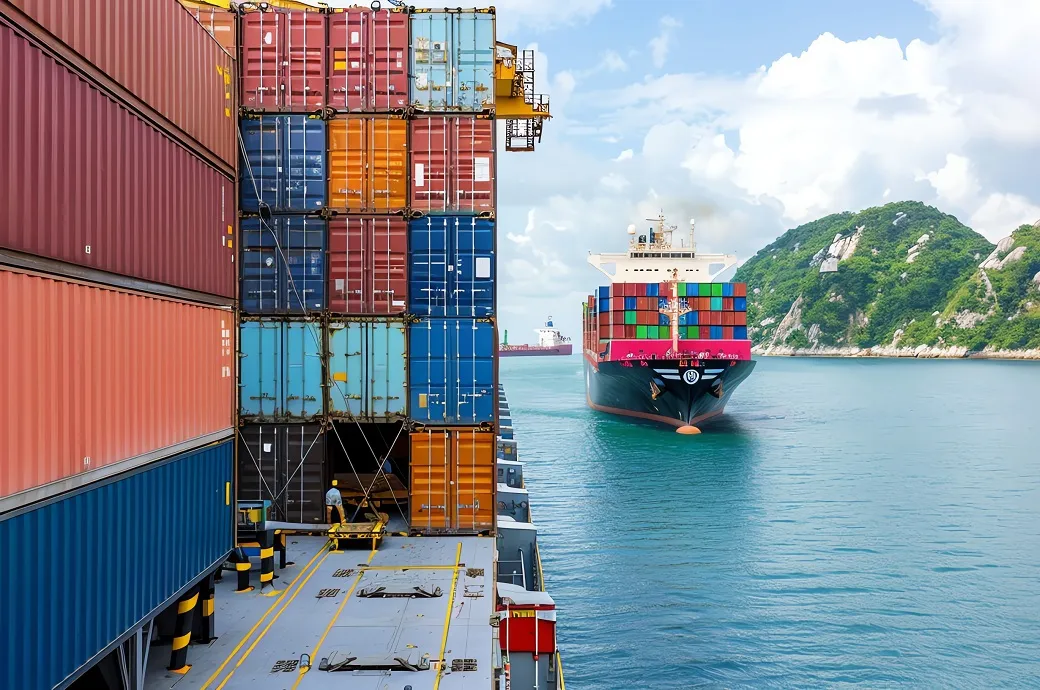
Disruptions in the supply chain can be very hard for companies, especially those in the logistics and transportation industries. Disruptions like natural disasters, labor strikes, pandemics, and tense political situations can slow down shipping, cost more, and sadly make cargo less safe. Because the world is getting more connected, it’s important to know how these problems affect the flow of things and what can be done to keep the supply chain honest. Red Flag electronic seals are a modern way for businesses to keep their packages safe from being tampered with or stolen. They are an important part of keeping cargo safe in these troubled times.
The Rising Threat to Cargo Security
Disruptions in the supply chain often mean increased uncertainty and inefficiencies. When operations slow down or face unpredictable hurdles, the security of cargo may be compromised. During times of supply chain disruption, cargo is often subjected to longer transit times, increased handling, and more opportunities for unauthorized access. These delays or route diversions create vulnerabilities that can be exploited by criminals looking to steal valuable goods.
The combination of a disrupted supply chain and insecure cargo transport can have severe financial consequences. Cargo theft, product damage, and the loss of sensitive goods are all significant risks. Not only can supply chain problems cost businesses money, but they can also hurt their reputations if products appear damaged, late, or hacked. Customers may not trust the company again.
Impact of Supply Chain Disruptions on Cargo Security
- Increased Transit Times
When disruptions occur, shipments often experience delays. Longer transit times mean more chances for goods to be tampered with during their journey. Cargo traveling through multiple transshipment points or different transport modes is at an even higher risk of theft or unauthorized access. The longer goods are in transit, the greater the opportunity for tampering, especially if the shipments are poorly secured.
- Compromised Route Integrity
Disruptions often force logistics companies to reroute shipments, which can expose cargo to different risks. New routes may pass through regions with higher crime rates, or goods may have to go through additional handling and warehouse storage, making them more vulnerable to theft or mismanagement. In these situations, companies may not have the ability to monitor the cargo effectively, leaving it open to potential breaches in security.
- Lack of Security Infrastructure
During supply chain disruptions, security infrastructure may not be as readily available. For example, if there’s a labor strike or a natural disaster in a particular area, security personnel may be unavailable, or cargo warehouses may be understaffed. This lack of secure handling and oversight can contribute to incidents of theft or mishandling. In some cases, businesses may have to depend on makeshift security measures, which might not be sufficient to guarantee cargo safety.
- Pressure on Logistics Providers
Supply chain disruptions often lead to heightened pressure on logistics providers to meet deadlines, manage higher volumes of cargo, or find alternative methods to transport goods. In the rush to keep shipments moving, security may not be prioritized as much as it should be. This pressure can sometimes result in inadequate checks on cargo, missed opportunities for proper sealing, or failure to ensure the shipment is secured throughout its journey.
Enhancing Cargo Security with Red Flag Electronic Seals
When there are problems in the supply line, making sure that the cargo is safer becomes very important. Red Flag electronic seals are one of the best ways to keep goods safe while they’re being shipped. High-tech security devices keep an eye on packages and can’t be tampered with. They offer real-time tracking and tamper alerts that make sure the cargo is safe.
Red Flag electronic seals offer several key advantages:
- Tamper Detection
Unlike traditional seals, electronic seals are equipped with sensors that can detect tampering. If the seal is broken, the system sends an immediate alert to the company, notifying them of a potential breach. This makes it easier for companies to take swift action and mitigate risks before they become a significant problem.
- Real-Time Monitoring
With the ability to track cargo in real-time, businesses can maintain full visibility of their shipments throughout the entire journey. This is especially important during times of disruption when alternative routes or extended transit times may cause additional security concerns. By continuously monitoring the cargo’s location and condition, businesses can ensure that goods are being transported securely.
- Enhanced Compliance
Red Flag electronic seals help businesses meet compliance requirements for transporting high-value or sensitive goods. Whether it’s pharmaceuticals, electronics, or luxury items, many industries have strict regulations regarding cargo security. Using electronic seals ensures that shipments comply with industry standards and regulatory requirements, even during disruptions.
- Cost Savings and Risk Reduction
By preventing cargo theft and unauthorized access, electronic seals can help reduce the costs associated with cargo loss, insurance claims, and damaged goods. This not only saves money but also minimizes the financial impact of disruptions. For businesses operating in volatile environments, this added layer of protection is invaluable.
Conclusion
Today’s globally linked world means that supply chain problems are unavoidable, but with the right answers, the risks to cargo safety can be reduced. During these problems, companies have to deal with delays, shifted shipments, and more stress. To protect valuable shipments, they need to invest in advanced cargo security tools like Red Flag electronic seals. Businesses can make sure that their goods stay safe and intact by using these cutting-edge tools, even when there are problems in the supply chain.