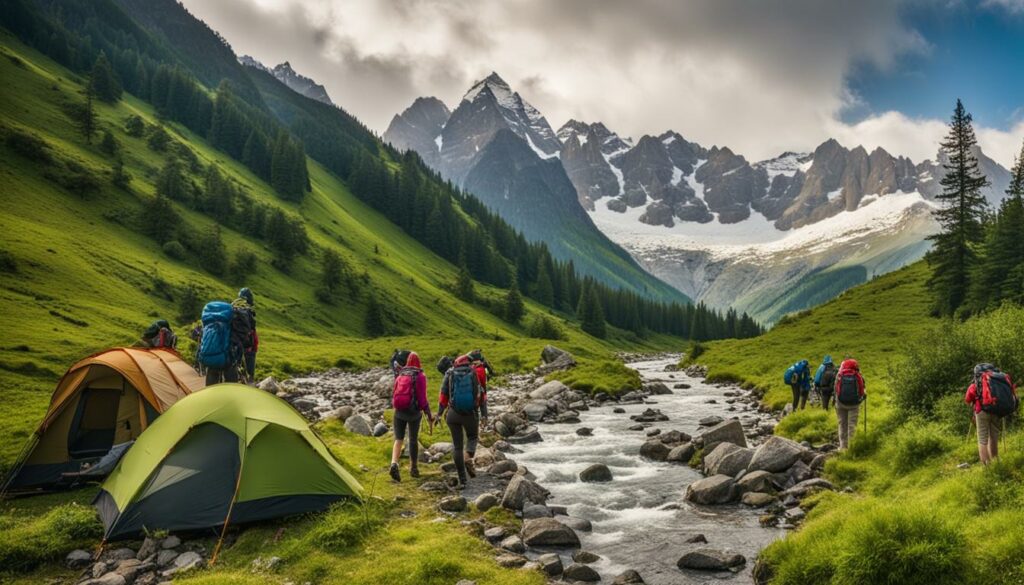
Travel has always been about exploration, relaxation, and cultural exchange, but in recent years, a new trend has captured the imagination of global wanderers: adventure tourism. Unlike traditional vacations that revolve around sightseeing or lounging by the beach, adventure tourism emphasizes thrill, excitement, and physical challenges. From hiking rugged mountain trails to diving into underwater caves, today’s travelers are increasingly seeking experiences that push them out of their comfort zones.
The Psychology Behind the Thrill
Why are people turning toward adventure-driven holidays? The answer lies in human psychology. Many travelers are chasing a sense of accomplishment that comes from conquering something challenging. Activities like skydiving or white-water rafting create adrenaline-fueled memories that often last a lifetime. In a world where photos often find their way to social media, even a simple dp for insta showcasing a sky-high bungee jump or a daring zipline ride becomes a personal badge of courage.
Adventure Tourism and the Global Travel Market
The adventure tourism sector has grown rapidly, contributing significantly to the global economy. Market studies reveal that travelers are willing to pay more for experiences rather than material possessions. This demand has given rise to specialized tour operators who provide curated adventure packages. Governments and tourism boards, too, recognize the value of this sector, promoting destinations with unique landscapes like Iceland’s volcanic terrain, Australia’s coral reefs, or Nepal’s Himalayan trails. Just as one might consult an Australian law directory to find trusted legal help, travelers increasingly rely on specialized travel platforms to find authentic and secure adventure experiences.
The Role of Culture in Adventure Travel
Adventure tourism isn’t just about physical thrill—it often includes cultural immersion. Trekking in the Andes may involve meeting indigenous communities, while desert safaris in Morocco allow visitors to engage with traditional Berber lifestyles. These interactions create a blend of thrill and cultural appreciation. And when travelers share their experiences online, they often do so with a touch of personality, much like inserting attitude hindi shayari into a post to express a mix of boldness and passion.
Adventure Tourism Meets Technology
The digital era has revolutionized the way adventure tourism is planned and experienced. Advanced tools like drone photography, virtual reality previews, and online booking apps make it easier for thrill-seekers to choose their next destination. Adventure tour companies now partner with a web design agency to craft interactive websites that showcase breathtaking visuals of mountain peaks, waterfalls, or cave expeditions. These digital platforms not only attract tourists but also provide them with real-time updates, safety guidelines, and insider tips to make the most of their trips.
Local Communities and Sustainable Adventure
One of the strongest appeals of adventure tourism is its contribution to local economies. Unlike mass tourism, which often channels money into large corporations, adventure tourism usually benefits small communities. Hiring local guides, staying in village lodges, and participating in cultural events help boost grassroots economies. In many cases, small businesses offering activities are listed in a local home service directory, making them more accessible to both domestic and international travelers. This grassroots connection ensures that adventure tourism is not only thrilling but also socially sustainable.
Safety and Responsibility in Adventure Tourism
Thrill-seeking comes with inherent risks, which makes safety measures crucial. Reputable adventure tourism operators invest heavily in training, equipment, and emergency protocols. They also emphasize responsible tourism—teaching travelers to respect natural habitats, wildlife, and local traditions. For example, scuba diving companies often train visitors in marine conservation practices, ensuring coral reefs remain protected while still offering the thrill of exploration.
Popular Adventure Tourism Activities
Adventure tourism encompasses a wide range of activities suitable for different levels of fitness and risk tolerance. Some of the most popular include:
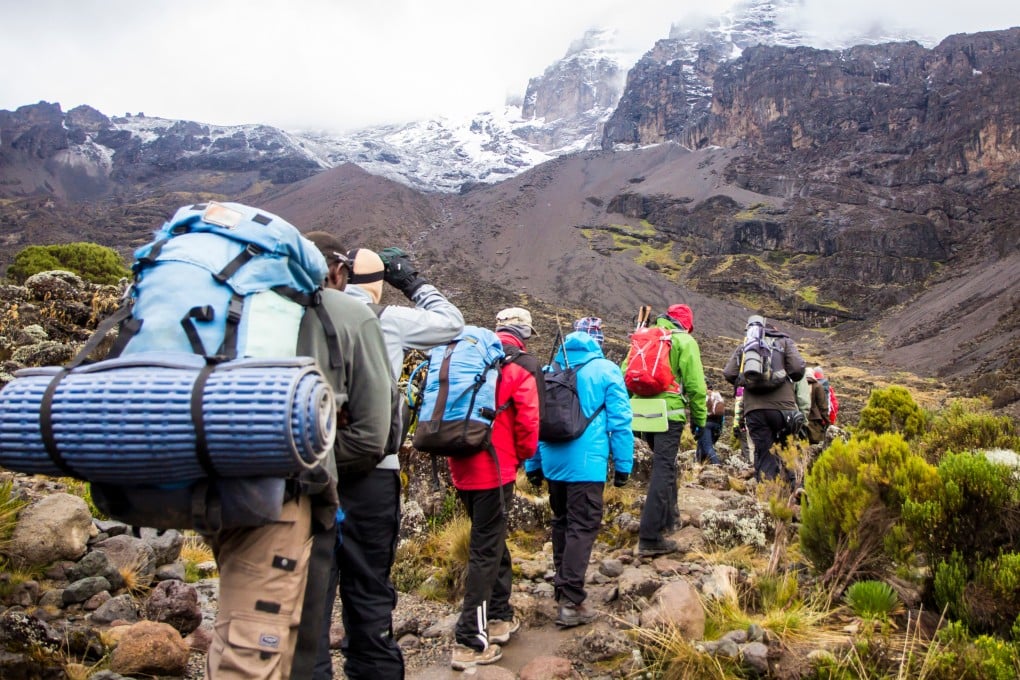
- Hiking and Trekking: From the Inca Trail to Kilimanjaro, trekking remains a favorite for travelers who want to connect with nature.
- Water Sports: Activities like kayaking, surfing, and deep-sea diving provide both adrenaline and tranquility.
- Extreme Sports: Skydiving, paragliding, and mountain climbing cater to those who crave ultimate challenges.
- Wildlife Adventures: Safaris, jungle treks, and bird-watching expeditions combine thrill with ecological appreciation.
The Future of Adventure Tourism
The future of adventure tourism looks promising. As travelers increasingly value experiences over possessions, demand for unique and thrilling activities will continue to grow. Technology will further enhance safety and accessibility, while sustainability efforts will ensure destinations remain preserved for generations. Post-pandemic, there has also been a renewed appreciation for outdoor activities, making adventure tourism even more attractive.
Conclusion
Adventure tourism is more than a travel trend—it is a movement that reflects changing traveler priorities. People no longer seek just comfort or relaxation; they crave stories, achievements, and memories that inspire pride and personal growth. Whether it’s capturing a daring mountain climb for a dp for insta, finding guidance with an Australian law directory-like resource for safe bookings, expressing the thrill through attitude hindi shayari, exploring via a web design agency’s digital portal, or connecting through a local home service directory, adventure tourism connects thrill-seekers to the world in meaningful and exhilarating ways.