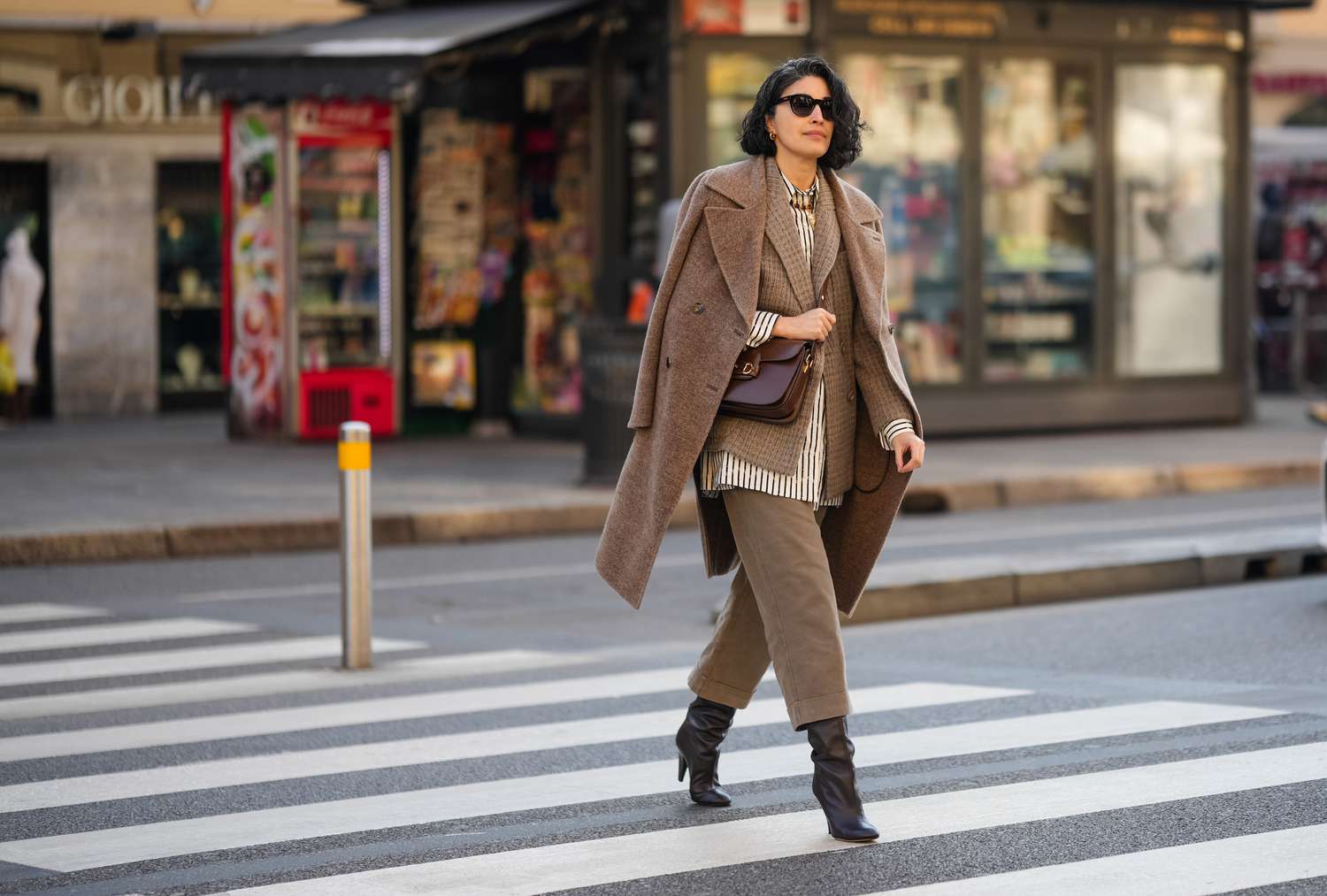
Winter layering isn’t just about piling on clothes to stay warm. It’s a strategic play of textures, weights, and colors that ensures you remain stylish while comfortable. From my 15 years of consulting in the fashion and retail sectors, I’ve seen what consistently works—and what falls flat. Smart techniques to layer winter outfits beautifully demand more than adding bulk; they require thoughtful coordination and a nuanced understanding of clothing behavior in cold environments.
Understand Fabric Weight and Texture
One lesson I learned early was that not all fabrics layer equally. We once advised a client who tried doubling heavy wool sweaters—end result? A bulky, uncomfortable mess. The reality is that layering should start with lighter fabrics next to the skin to trap heat without weight, then build up to thicker, insulating materials. Silk or merino wool base layers, combined with a cotton shirt and a mid-weight cashmere sweater create the right balance. Over this, a structured coat offers protection without swallowing your frame. Mixing textures like chunky knits with sleek leather not only adds visual interest but also enhances warmth and practicality.
Embrace Color Coordination with Purpose
I often notice clients struggling to harness color layering effectively. Back in 2018, the trend was monochromes, but it often looked bland and one-dimensional in real office settings. Now, we know that layering diverse hues—especially earth tones with pops of jewel shades—can transform winter outfits from dull to dynamic. The 80/20 rule applies here: 80% neutral tones with 20% accent colors create a strong visual impact that’s polished and approachable. Pairing a deep green scarf with a navy coat, for example, makes the outfit pop without being over the top.
Prioritize Functional Accessories to Complete the Look
One mistake I’ve seen repeatedly is treating accessories as an afterthought. It’s a pitfall that backfired for many clients who’ve ended up looking unfinished. Functional accessories like stylish gloves, insulated hats, and waterproof boots are essential components of a layered winter outfit. They not only complement your style but also boost your comfort and confidence in harsh conditions. On a related note, I recently recommended exploring emerging trends on platforms like Washington PR Daily for insights on how contemporary accessories can elevate classic layering techniques while enhancing performance.
Use Layering to Shift Between Environments Smoothly
The business reality is that during winter, professionals often move between freezing outdoors and heated indoor spaces. One client learned the hard way that heavy bulky layers were impractical during meetings. Instead, layering with versatility in mind is key. Lightweight down vests or zip-off layers that can be easily removed or added enable smooth transitions without sacrificing style. Looking at what Michigan PR Diary highlights about seasonal fashion versatility offers practical pointers on switching layers efficiently while maintaining a sharp look throughout the day.
Invest in Outerwear that Works Hard and Looks Sharp
I’ve seen plenty of winter wardrobes ruined by poor investment in outerwear. The outer layer is your business’s “first impression” in cold weather—don’t settle. Well-designed coats with insulated linings and water-resistant shells cover the functional side. On the aesthetic front, styles that maintain structure rather than sagging add professionalism. From a practical standpoint, top-tier outerwear brands, which I track routinely through fashion and legal market analysis like those published on Insurance Lawyers Index, offer products with compliance to quality standards and durability that translate into fewer replacements and a smarter long-term investment.
Conclusion
The smart techniques to layer winter outfits beautifully boil down to mixing practical knowledge with style savvy. From fabric choices to color nuances, from accessory functionality to adaptive layering, every element plays a role. The most effective professionals I’ve worked with layer not just clothes but also thoughtful details that serve their goals—staying warm, looking confident, and navigating business environments seamlessly. Look carefully at your existing wardrobe and consider these strategies for a winter style that’s more than just weatherproof.
Frequently Asked Questions
What fabrics work best for layering in winter?
Lightweight natural fibers like merino wool and silk function well as base layers, trapping heat without bulk, while heavier fabrics such as cashmere and wool provide essential insulation.
How can I avoid bulkiness when layering clothes?
Start with thinner layers and gradually add thicker pieces; avoid doubling heavy garments and opt for pieces with stretch or tailored cuts for better fit and fewer bulk issues.
Is color layering important for winter outfits?
Yes, it creates dimension and visual interest—combining neutrals with accent colors helps maintain a polished, dynamic look rather than appearing dull or flat.
What accessories enhance winter layering the most?
Functional and stylish gloves, hats, and boots complete the outfit by boosting warmth and adding a professional edge to your winter appearance.
Where can I learn about the latest winter layering trends?
Industry resources like
provide timely insights on seasonal style and practical tips for mastering layering in professional settings.