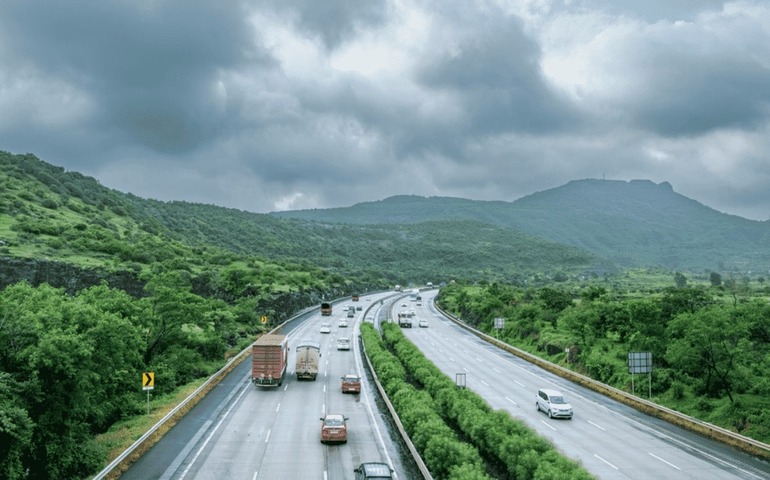
A family road trip works best when the route offers more than attractive views through the windshield. Children need regular stops, safe places to move around, accessible food, suitable restrooms, and activities that break up long periods in the vehicle.
The best scenic routes combine natural beauty with flexible distances and family-friendly stopping points. Parents should avoid treating the trip like a race to complete every mile. A shorter section explored slowly can be more enjoyable than a famous route driven under pressure.
Blue Ridge Parkway
The Blue Ridge Parkway is a strong choice for families who enjoy mountain views, wooded landscapes, overlooks, walking trails, and relaxed driving.
Rather than attempting the full route, families can select one region and build a two- or three-day journey around it. This provides time for short hikes, photographs, picnics, and visitor-center stops.
Mountain weather can change quickly, and some facilities may be spaced apart. Carry water, snacks, suitable clothing, and enough fuel.
Children may enjoy creating a checklist of wildlife, bridges, tunnels, flowers, and mountain views. Giving them something to observe can reduce boredom between stops.
Travelers following family road-trip updates should check road conditions and facility availability shortly before departure. Scenic roads may be affected by maintenance, fog, storms, fallen trees, or seasonal restrictions.
Pacific Coast Highway
California’s coastal highways offer dramatic ocean views, beaches, cliffs, small towns, and opportunities for short outdoor stops.
Families should plan a limited section instead of trying to cover the entire coast in one rushed journey. Coastal roads can be slow, winding, and busy during popular travel periods.
Build time into the schedule for beach walks, viewpoints, picnic areas, and town visits. Children often enjoy tide pools, sand, wildlife viewing, and simple seaside meals more than continuous driving.
Drivers should keep their attention on the road rather than the scenery. Use designated pullouts and legal parking areas for photographs.
Coastal weather can be cooler and windier than inland conditions. Pack layers, even when the broader forecast appears warm.
Great River Road
The Great River Road follows communities and landscapes connected to the Mississippi River. It can offer river views, historic towns, farmland, museums, parks, and local food.
Because the broader route covers a large area, families should choose one state or regional section. This makes the journey easier to plan and reduces long driving days.
Riverfront parks provide useful places for children to walk, eat, and rest. Historic communities can add educational value without making the trip feel like school.
Families interested in regional tourism and travel markets can compare lodging in smaller towns with rooms in major cities. Staying outside busy centers may reduce costs while providing a quieter experience.
Flooding, construction, and local events can affect roads near rivers. Check conditions and avoid assuming every riverside segment will be open.
Vermont Route 100
Vermont Route 100 is known for mountain scenery, small communities, forests, farms, and traditional New England surroundings.
Autumn is popular because of changing leaves, but families can also enjoy the route during warmer months. Crowds and accommodation prices may rise during peak periods.
A family itinerary might combine short drives with farm visits, village walks, picnic stops, and easy outdoor activities. Avoid scheduling too many separate towns in one day.
Some sections may have limited phone service or fewer late-night facilities. Download maps and keep fuel above a comfortable level.
Parents should prepare children for winding roads. Frequent breaks, light meals, and forward-facing seats may help passengers who experience motion sickness.
Olympic Peninsula Loop
Washington’s Olympic Peninsula provides a varied journey through forests, coastlines, mountain areas, lakes, and small communities.
Families can choose stops based on the children’s ages and walking ability. Short forest trails, beaches, visitor areas, and lakeside breaks can provide variety.
Rain is possible in many seasons, so waterproof jackets, spare socks, and protective bags for electronics are useful.
Driving times may be longer than they appear on a map because roads curve around natural features. Avoid building an itinerary that requires constant movement.
Professional American travel and service resources may help families compare lodging, vehicle needs, and activity costs before visiting remote areas.
Food and fuel can be limited between larger communities, so carry supplies and refill early.
Route 66 Family Sections
Historic Route 66 can provide a playful family trip with classic roadside signs, diners, museums, small towns, and unusual attractions.
The original route is not one continuous modern road, so families should select a well-known section and plan carefully. Navigation may require more preparation than following an interstate highway.
Children may enjoy photographing signs, old fuel stations, vintage vehicles, and large roadside sculptures. A shared photo challenge can make the drive interactive.
Some historic businesses have limited operating days or seasonal hours. Confirm essential stops before building the day around them.
Balance nostalgic attractions with parks, playgrounds, and comfortable breaks. Adults may appreciate the history more than young children, so the itinerary should include something for everyone.
Florida Keys Overseas Highway
A road trip through the Florida Keys can combine ocean views, bridges, beaches, wildlife, water activities, and relaxed island communities.
Families should allow extra time because traffic can slow significantly. Avoid planning a tight schedule around a fixed arrival time.
Sun protection, water, light clothing, and breaks from the heat are essential. Children may become tired quickly in strong sun.
Choose family-friendly accommodation with convenient parking and food access. Lodging prices can vary widely, especially during popular periods.
Storm conditions can affect travel, so monitor weather closely and maintain flexible cancellation arrangements.
Current family vacation trends often focus on photographing famous bridges and sunsets, but families should also plan quiet recovery time. Not every hour needs a scheduled activity.
Utah Scenic Byways
Utah offers routes through desert landscapes, rock formations, canyons, mountains, and open country. These drives can feel completely different from green mountain or coastal trips.
Distances between services may be significant. Carry water, food, sun protection, emergency supplies, and enough fuel.
Summer heat can make outdoor stops difficult during the middle of the day. Plan walks for cooler hours and avoid leaving children or pets in a parked vehicle.
Families should choose short trails and viewpoints suitable for everyone’s ability. Desert environments can be dangerous when visitors leave marked routes or underestimate heat.
Check weather before entering areas vulnerable to flash flooding. Clear skies at one location do not always mean conditions are safe elsewhere.
Plan Shorter Driving Days
Children usually tolerate a road trip better when driving days remain manageable. A scenic route should provide opportunities to stop every few hours.
Plan breaks at parks, visitor centers, picnic areas, beaches, or towns rather than relying only on fuel stations.
Begin driving early enough to avoid searching for accommodation after dark. Arriving before dinner gives the family time to settle and relax.
Keep one part of each day unscheduled. This allows extra time at a favorite stop or flexibility when traffic slows.
The route should serve the family rather than control it.
Pack for Changing Conditions
Scenic routes often cross areas with different temperatures and weather. Pack layers, rain protection, sunscreen, hats, and comfortable shoes.
Carry water, snacks, basic medicine, tissues, wet wipes, and spare clothing for children.
Download maps because mobile service may be unreliable. Keep charging cables and a portable power source available.
Bring simple entertainment for less scenic stretches. Audiobooks, music, travel games, drawing supplies, and observation challenges can keep children engaged.
A family scenic road trip becomes memorable when the schedule respects everyone’s comfort. Choose a manageable section, check current conditions, stop often, and leave room for unexpected discoveries. The best route is not always the longest or most famous one. It is the route the family can experience together without exhaustion.