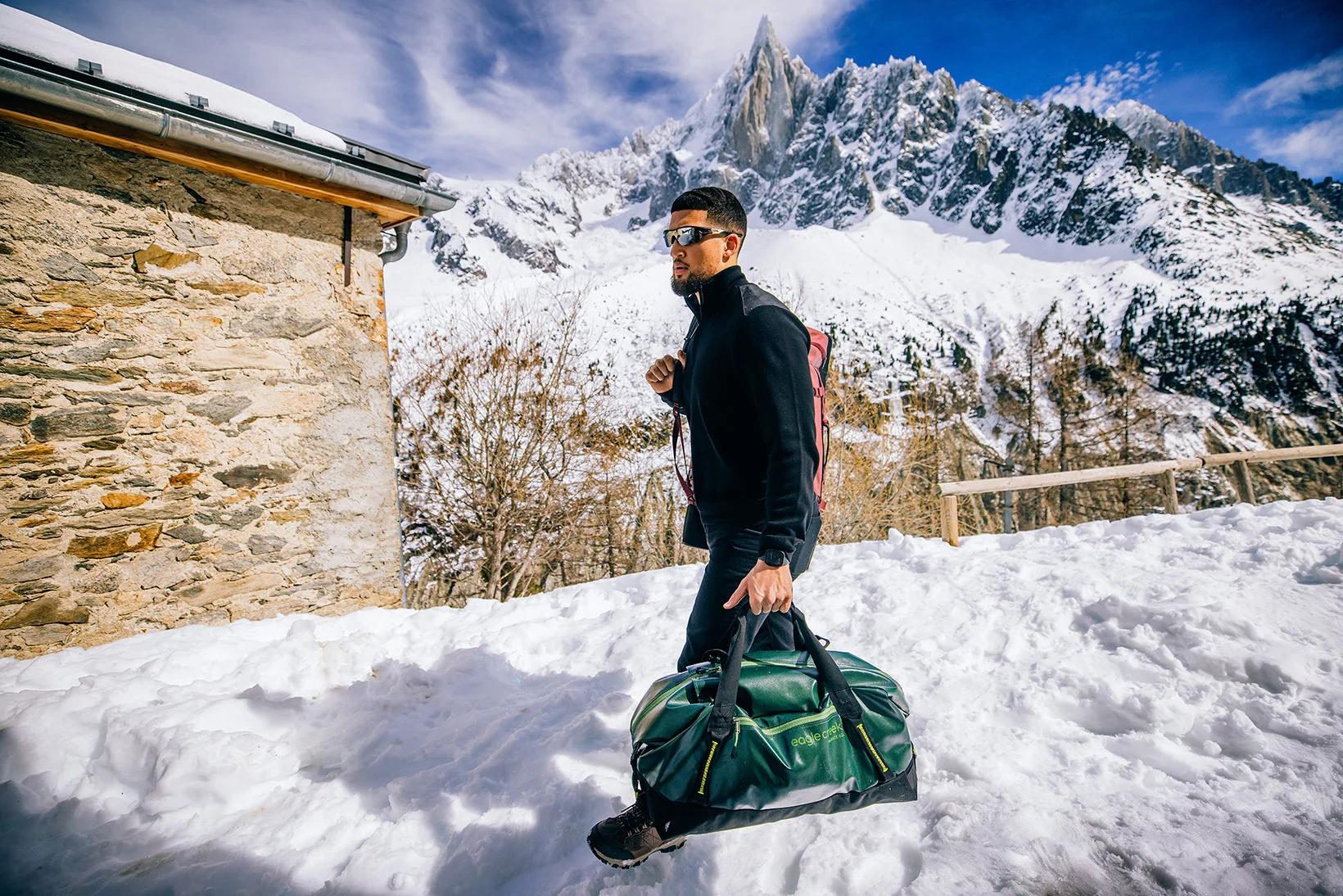
Packing for a cold-weather trip is more difficult than packing for a warm destination. Winter clothing is bulky, footwear takes up space, and travelers need enough protection for changing temperatures without carrying several heavy bags.
Efficient winter packing is based on layers rather than oversized clothing. A small selection of compatible items can create several outfits while keeping the traveler warm, comfortable, and prepared for snow or rain.
Check the Weather Before Packing
Begin by reviewing the expected daytime and nighttime temperatures.
Do not rely only on the average temperature for the destination. Wind, rain, snow, humidity, and elevation can make conditions feel much colder.
Check the forecast again shortly before departure because winter weather can change quickly.
Consider the activities you have planned. Walking around a city requires different clothing than skiing, hiking, or spending several hours outdoors at night.
Pack for the coldest likely conditions, but avoid filling your suitcase with items that perform the same job.
Build a Layering System
A practical winter outfit normally includes a base layer, middle layer, and outer layer.
The base layer sits close to the skin and helps manage moisture. The middle layer provides insulation, while the outer layer protects against wind, rain, or snow.
Several light layers are often more useful than one extremely heavy sweater. Layers can be removed indoors or added when temperatures fall.
Choose items that fit comfortably together. A tight outer coat can compress insulation and restrict movement.
Test complete outfits at home before packing.
Pack Neutral and Compatible Clothing
Choose colors and styles that can be combined easily. This reduces the number of separate outfits required.
One pair of trousers should work with several tops. Sweaters should match the same coat, shoes, and accessories.
Functional women’s cargo pants can be useful for cold-weather trips because secure pockets provide space for gloves, a phone, tickets, or small travel items.
Avoid packing clothing that requires special shoes or can only be worn once.
Plan outfits by day and photograph each combination. This can prevent unnecessary last-minute additions.
Choose the Right Winter Coat
The coat is usually the largest clothing item, so wear it during travel rather than placing it inside the suitcase.
Choose a coat suited to the destination’s conditions. A light insulated jacket may work in a city, while heavy snow requires stronger weather protection.
Check whether the coat has secure pockets, an adjustable hood, and enough room for layers.
A water-resistant shell can be more flexible than one heavy coat, especially when paired with an insulating layer.
Do not pack multiple bulky coats unless the trip includes very different activities.
Limit Footwear
Shoes take up significant luggage space. Most winter travelers need one main outdoor pair and possibly one lighter pair for indoor use.
Wear the heaviest footwear during the journey.
Snowy destinations require waterproof, insulated boots with reliable grip. Fashion footwear without traction can become dangerous on icy streets.
Comfortable ultra-distance running shoes may be useful for airports, gyms, hotel areas, and dry city walking. They should not replace waterproof winter boots in deep snow.
Place shoes in separate bags to protect clothing from dirt and moisture.
Use the space inside shoes for socks or small accessories.
Pack Warm Accessories
Hats, gloves, scarves, and thermal socks provide considerable warmth without taking up much room.
Bring at least two pairs of gloves if outdoor activities are planned. One pair may become wet.
Choose a scarf that works with every outfit. A large scarf can also serve as a travel blanket.
Pack enough socks to change after wet or active days. Damp socks can make feet cold and uncomfortable.
Avoid overpacking decorative accessories. One or two versatile pieces are enough.
Items such as chunky gold earrings can dress up a simple evening outfit, but store them in a small protective case so they do not catch on knitted clothing.
Use Packing Cubes
Packing cubes help separate clothing by type and make a suitcase easier to organize.
Use one cube for base layers, one for tops, and another for underwear or accessories.
Compression cubes can reduce volume, but they do not reduce weight. A tightly packed bag may still exceed airline limits.
Do not compress delicate insulated jackets unless the manufacturer allows it. Some materials need time to recover their shape.
Keep one complete outfit near the top of the suitcase in case you need to change quickly.
Roll or Fold Clothing Carefully
Rolling can save space for soft items such as thermal tops, leggings, and casual shirts.
Structured sweaters and coats may retain their shape better when folded.
Place heavier items near the wheels of a rolling suitcase. This keeps the bag balanced when upright.
Fill small empty spaces with socks, gloves, and undergarments.
Avoid forcing the suitcase closed. Excess pressure can damage zippers and make repacking difficult during the trip.
Create a Small Laundry Plan
Long trips do not require a separate outfit for every day.
Pack quick-drying base layers that can be washed in a hotel sink or laundry facility.
Bring a small amount of suitable detergent in a sealed container. Check accommodation details to see whether laundry equipment is available.
Wear outer layers several times unless they become dirty or wet.
A simple laundry plan can reduce luggage size substantially.
Protect Electronics and Documents
Cold temperatures can affect phone and camera batteries.
Keep devices in an interior pocket when outdoors and carry a portable charger.
Place passports, tickets, medication, and important documents in a secure section of your hand luggage.
Use waterproof pouches for electronics when snow or rain is expected.
Download maps, hotel details, and transport information before leaving areas with reliable internet access.
Keep emergency contact information available separately from your phone.
Pack a Cold-Weather Health Kit
Winter air can be dry, and travelers may experience chapped skin, dry lips, or nasal discomfort.
Pack lip balm, moisturizer, sunscreen, medication, tissues, and a small first-aid kit.
Sun protection is still important in winter because snow can reflect sunlight.
Bring reusable water bottles and drink regularly. Cold weather can reduce the feeling of thirst.
Carry any prescription medication in its original packaging and keep it in hand luggage.
Include Wet-Weather Storage
Bring a lightweight waterproof bag for wet gloves, socks, or swimwear.
Pack several sealable bags for small items. They can protect electronics or separate damp clothing.
Do not place wet clothing directly into a closed suitcase for long periods. Moisture can create odors and affect other items.
Allow boots and coats to dry naturally when you return to the accommodation.
A small travel clothesline can be useful for drying base layers.
Avoid Packing Unnecessary Items
Hotels often provide towels, hair dryers, soap, and other basic products. Check before packing duplicates.
Do not bring full-size containers when travel sizes are enough.
Avoid packing heavy books when digital versions are available.
Travelers comparing affordable organizers, winter accessories, and luggage products can review low-cost travel buying guides before making purchases.
Create a final list and remove at least two items that do not serve a clear purpose.
Efficient winter packing is not about carrying the smallest possible bag. It is about bringing clothing that works together, protects against the weather, and supports planned activities. A strong layering system and careful organization can keep you warm without unnecessary luggage.