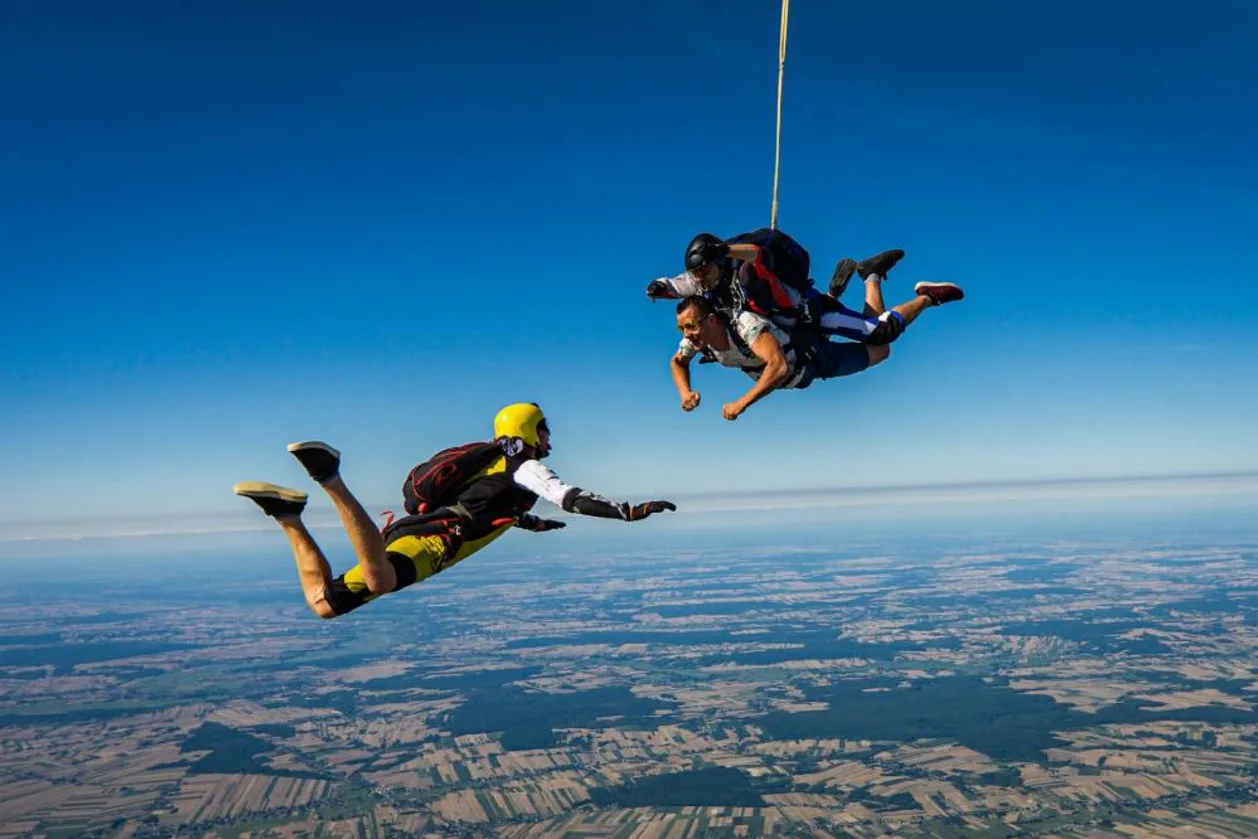
Outdoor adventure vacations require more preparation than ordinary city breaks. Travelers may spend long hours away from shops, transportation, mobile phone service, and comfortable shelter. Weather can change quickly, equipment can fail, and small planning mistakes can become serious in remote locations.
Preparation does not remove the sense of adventure. It allows travelers to focus on the scenery and experience instead of worrying about missing equipment, physical exhaustion, or preventable emergencies.
A useful plan should cover fitness, clothing, transportation, communication, food, water, weather, and local conditions.
Research the Destination Thoroughly
Begin by learning about the destination’s terrain, climate, wildlife, elevation, and transportation options.
A forest trip, desert journey, coastal expedition, and mountain vacation require different preparation. Even destinations in the same country may have completely different weather conditions.
Check whether permits, reservations, guides, or park fees are required. Some popular hiking trails and camping areas limit daily visitor numbers.
Learn about local rules regarding fires, waste, wildlife, drones, and overnight camping.
Travelers following current outdoor tourism developments may also discover seasonal closures or new adventure opportunities.
Match Activities to Your Fitness Level
Adventure trips may involve hiking, climbing, paddling, cycling, swimming, or carrying equipment.
Be realistic about your current fitness. A demanding itinerary should not be chosen only because the photographs look impressive.
Begin training several weeks before departure. Walking, stair climbing, strength exercises, and cardiovascular training can improve comfort and endurance.
Train while wearing the footwear and backpack planned for the trip. This helps reveal problems before the vacation begins.
Rest is also part of preparation. Exhausted travelers are more likely to make poor decisions.
Break In Footwear Early
New hiking boots can cause blisters, pressure points, and discomfort.
Wear them on short walks before gradually increasing the distance. Test them on slopes and uneven ground when possible.
Choose socks designed for the activity and bring spare pairs. Cotton may remain wet for long periods, while suitable performance materials can dry faster.
Inspect footwear for worn soles, loose stitching, and damaged laces.
Never begin a multi-day hike wearing boots that have only been tried inside a store.
Create a Layered Clothing System
Outdoor temperatures may change throughout the day. A layered system allows travelers to add or remove clothing as conditions change.
A moisture-managing base layer can help keep skin dry. An insulating middle layer provides warmth, while a waterproof and wind-resistant outer layer offers protection.
Pack a hat, gloves, and spare dry clothing where appropriate.
Avoid relying on one heavy coat for every condition. Several useful layers provide more flexibility.
Travelers exploring Canadian vacation planning ideas may find that layering is especially important when moving between cities, lakes, and mountain environments.
Check the Weather Repeatedly
Review seasonal averages while planning, but check the actual forecast close to departure.
Weather in mountains, deserts, and coastal areas can change quickly. Rain, heat, snow, wind, and thunderstorms may affect routes.
Understand what conditions would require postponing or cancelling an activity.
Carry equipment for realistic changes rather than only the most comfortable forecast.
Do not continue into exposed terrain when local guides or authorities advise against it.
Pack Navigation Tools
Mobile navigation is useful, but phones can lose signal, run out of power, or become damaged.
Download offline maps before leaving. Carry a paper map and compass when traveling in remote areas.
Learn how to read the map and identify landmarks. Equipment is useless without basic knowledge.
Bring a portable battery pack and protect electronics from water.
Do not rely on social-media directions that may be outdated or incomplete.
Prepare an Emergency Communication Plan
Tell a reliable person where you are going, which route you plan to follow, and when you expect to return.
Provide accommodation details, transport information, and emergency contact numbers.
In remote areas, consider carrying a satellite messenger or personal locator beacon.
Agree on what your contact should do if you fail to check in.
This simple step can shorten search times if something goes wrong.
Carry a Suitable First-Aid Kit
A first-aid kit should match the trip’s length, location, group size, and activities.
Common items may include bandages, blister treatment, antiseptic supplies, pain relief, personal medication, and emergency dressings.
Travelers should know how to use everything they carry.
Consider completing a basic first-aid course before a remote trip.
Prescription medication should be packed in sufficient quantity, with extra doses when appropriate.
Plan Food and Water Carefully
Outdoor activities require energy and hydration.
Carry food that is easy to store, prepare, and eat. Include carbohydrates, protein, and snacks for quick energy.
Pack more food than the exact planned amount in case the route takes longer.
Research water availability. Streams and lakes may require filtration, boiling, or treatment before drinking.
Do not assume clear water is safe.
Sound outdoor safety guidance can help travelers create practical food and hydration plans for remote trips.
Test Equipment Before Departure
Set up tents at home before the trip. Test stoves, sleeping pads, water filters, lights, and battery packs.
Check that all parts are included and working.
Wear the loaded backpack and adjust the straps. Heavy items should be positioned securely and balanced.
Replace damaged equipment before departure rather than hoping it will survive one more trip.
A short practice outing can reveal packing mistakes better than a written checklist.
Understand Wildlife Risks
Research animals, insects, and plants common to the destination.
Learn how to store food, manage waste, and respond to wildlife encounters.
Do not feed animals or approach them for photographs.
Use insect protection where necessary and inspect for ticks after outdoor activity.
Bear, snake, mosquito, and marine-animal precautions differ by region, so local guidance matters.
Arrange Travel Insurance
Standard insurance may not cover every adventure activity.
Review exclusions for climbing, diving, skiing, high-altitude trekking, or remote evacuation.
Confirm whether medical treatment, rescue, equipment loss, and trip cancellation are covered.
Keep insurance details accessible offline.
Adventure insurance should match the exact activities planned rather than relying on a general policy description.
Protect Important Documents
Store identification, permits, insurance details, and emergency contacts in a waterproof pouch.
Keep digital copies in secure online storage and offline on the phone.
Carry some cash because remote locations may not accept cards.
Do not place every document and payment method in one bag.
Leave copies of essential information with a trusted contact.
Learn Basic Local Phrases
When traveling internationally, learn words related to help, food, water, medical care, directions, and transportation.
Download an offline translation tool.
Respect local customs and ask before entering private land or photographing people.
Communication becomes especially important when dealing with guides, drivers, rural residents, and emergency services.
Protect Against Sun and Heat
Use sunscreen, sunglasses, protective clothing, and a wide-brimmed hat.
Begin activities early when midday temperatures are extreme.
Drink regularly rather than waiting until severe thirst develops.
Recognize warning signs of heat exhaustion, including weakness, dizziness, nausea, and heavy sweating.
Rest in shade when symptoms appear and seek help if they worsen.
Prepare for Cold Conditions
Cold can become dangerous even outside winter, especially at high elevation.
Carry insulation and waterproof clothing. Keep spare layers in a dry bag.
Eat regularly and protect hands, feet, and head.
Wet clothing should be changed as soon as possible.
Shivering, confusion, and poor coordination may indicate a serious cold-related emergency.
Reduce Unnecessary Weight
Packing too much can make hiking and transportation exhausting.
Choose multi-purpose items and remove nonessential clothing, containers, and equipment.
However, do not reduce weight by leaving behind water, insulation, navigation, first aid, or emergency supplies.
Weigh the completed backpack before departure.
Local Calgary adventure resources may offer useful packing ideas for mountain, camping, and winter trips.
Leave Room for Schedule Changes
Outdoor vacations depend on weather, transport, trail access, and physical condition.
Build flexible days into the itinerary. Do not schedule difficult activities immediately after long flights.
Have a safer alternative for bad weather.
Turning back or changing a route is not a failed adventure. It is often the smartest decision available.
Preparation allows outdoor travelers to respond calmly when plans change. Research the destination, train appropriately, test equipment, protect communication, and pack for realistic conditions. A carefully prepared traveler has more freedom to enjoy the experience because the major risks have already been considered.