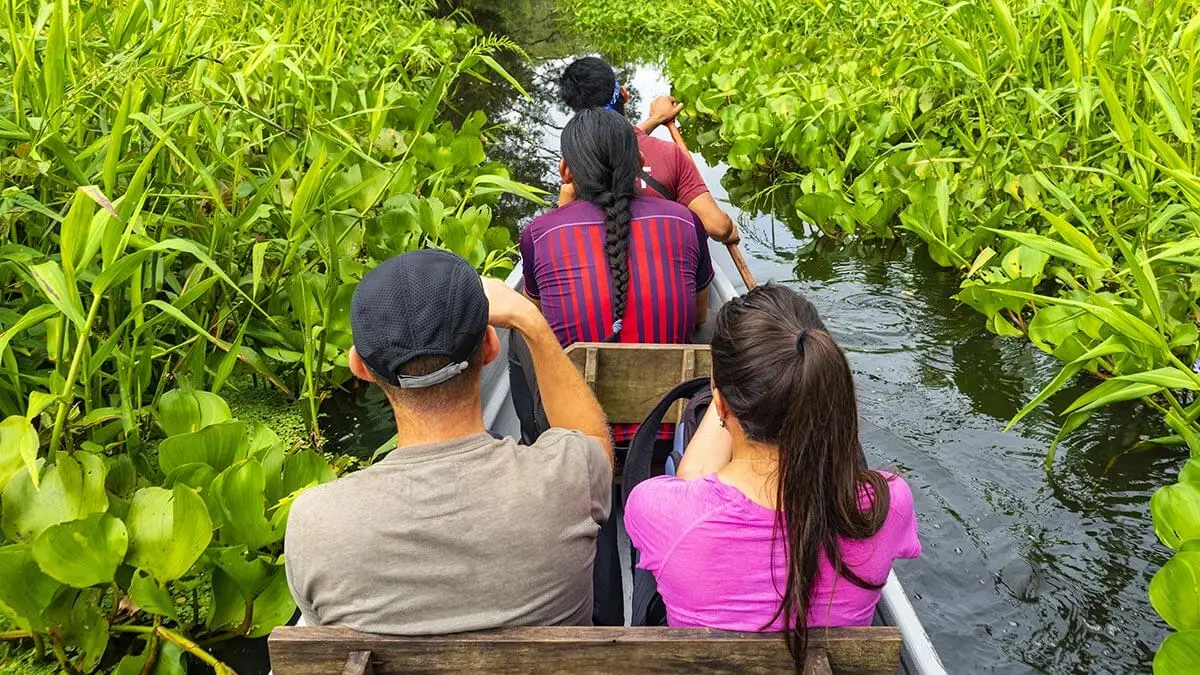
Travel has always been a way to explore the world, experience new cultures, and create lasting memories. However, in recent years, there has been a growing awareness about the impact of travel on the environment and local communities. Even casual digital trends like rtps 9 reflect how modern awareness spreads quickly, influencing how people think and act. Today, travelers are becoming more conscious, choosing sustainable and responsible travel practices that benefit both the planet and society.
Understanding Sustainable Travel
Sustainable travel focuses on minimizing negative impacts on the environment while supporting local communities and preserving Cultural heritage. It encourages travelers to make thoughtful decisions that reduce waste, conserve resources, and respect local traditions.
This approach is not about limiting travel but about making better choices. From selecting eco friendly accommodations to reducing plastic usage, every small step contributes to a more sustainable travel experience.
Travelers who embrace sustainability often find their journeys more meaningful, as they connect more deeply with the places they visit.
The Shift In Traveler Mindset
Modern travelers are no longer satisfied with just visiting popular destinations. They are increasingly seeking experiences that align with their values.
This shift is influenced by greater access to information and awareness about environmental issues. Platforms and online trends such as blooket join’ demonstrate how quickly ideas spread in the digital age, encouraging people to adopt new behaviors.
As a result, travelers are prioritizing ethical choices, such as supporting local businesses, choosing eco conscious tours, and avoiding activities that harm wildlife or ecosystems.
Supporting Local Communities
One of the key aspects of responsible travel is supporting local communities. This includes staying in locally owned accommodations, eating at local restaurants, and purchasing handmade products.
By doing so, travelers contribute directly to the local economy and help preserve cultural traditions. These interactions also create more authentic experiences, allowing travelers to understand the true essence of a destination.
Responsible tourism fosters mutual respect between visitors and hosts, creating positive and lasting impacts.
Eco Friendly Accommodations And Practices
Accommodation choices play a significant role in sustainable travel. Many hotels and resorts are now adopting eco friendly practices such as using renewable energy, reducing waste, and conserving water.
Websites like https://make1mluxury.com highlight how luxury travel can also incorporate sustainability, proving that comfort and responsibility can coexist.
Travelers are increasingly choosing accommodations that prioritize environmental responsibility, encouraging the industry to adopt greener practices.
Reducing Environmental Impact
Travel, especially air travel, contributes to carbon emissions. Sustainable travelers aim to reduce their environmental footprint by making conscious decisions.
This can include choosing direct flights, using public transportation, or even exploring destinations closer to home. Simple actions like carrying reusable items and avoiding single use plastics also make a difference.
By being mindful of their impact, travelers can help protect natural environments for future generations.
The Role Of Awareness And Education
Education plays a crucial role in promoting sustainable travel. The more people understand the impact of their actions, the more likely they are to make responsible choices.
Questions like what is the unsent project reflect how curiosity drives learning in the digital age. Similarly, learning about sustainable practices empowers travelers to make informed decisions.
Travel organizations and platforms are also playing a role by promoting responsible tourism and providing guidelines for ethical travel behavior.
Technology And Sustainable Travel
Technology has made it easier for travelers to plan and adopt sustainable practices. From apps that track carbon footprints to platforms that highlight eco friendly options, digital tools are supporting responsible travel.
At the same time, technology helps raise awareness about environmental issues and sustainable solutions. It connects travelers with resources that encourage better decision making.
However, it is important to use technology wisely and ensure that it enhances rather than replaces authentic travel experiences.
Cultural Respect And Preservation
Respecting local cultures is an essential part of responsible travel. Travelers should take the time to understand the customs, traditions, and values of the places they visit.
This includes dressing appropriately, respecting local practices, and being mindful of behavior. Cultural sensitivity not only prevents misunderstandings but also enriches the travel experience.
Engaging with local traditions creates meaningful connections and helps preserve cultural heritage.
The Influence Of Global Trends
Global trends and media also influence travel choices. Platforms and communities, including those discussing topics like dazcfutbol, demonstrate how quickly information and ideas spread across borders.
These trends can inspire travelers to explore new destinations and adopt sustainable practices. As awareness grows, responsible travel is becoming a global movement rather than a niche concept.
This collective shift is encouraging the travel industry to adapt and prioritize sustainability.
Conclusion
The rise of sustainable and responsible travel choices reflects a broader change in how people approach exploration. Travelers are becoming more mindful of their impact, seeking experiences that benefit both themselves and the world around them. By supporting local communities, reducing environmental impact, and respecting cultural traditions, individuals can make travel more meaningful and sustainable. As awareness continues to grow, responsible travel will shape the future of the tourism industry. It is not just about where we go, but how we choose to experience the world in a way that preserves it for generations to come.